Vision
Hydrogen decentralizes energy production and dependence. Hydrogen is independent, clean, renewable, unlimited — and interstellarily available.
Step 1
Harvest Energy

Create Hydrogen
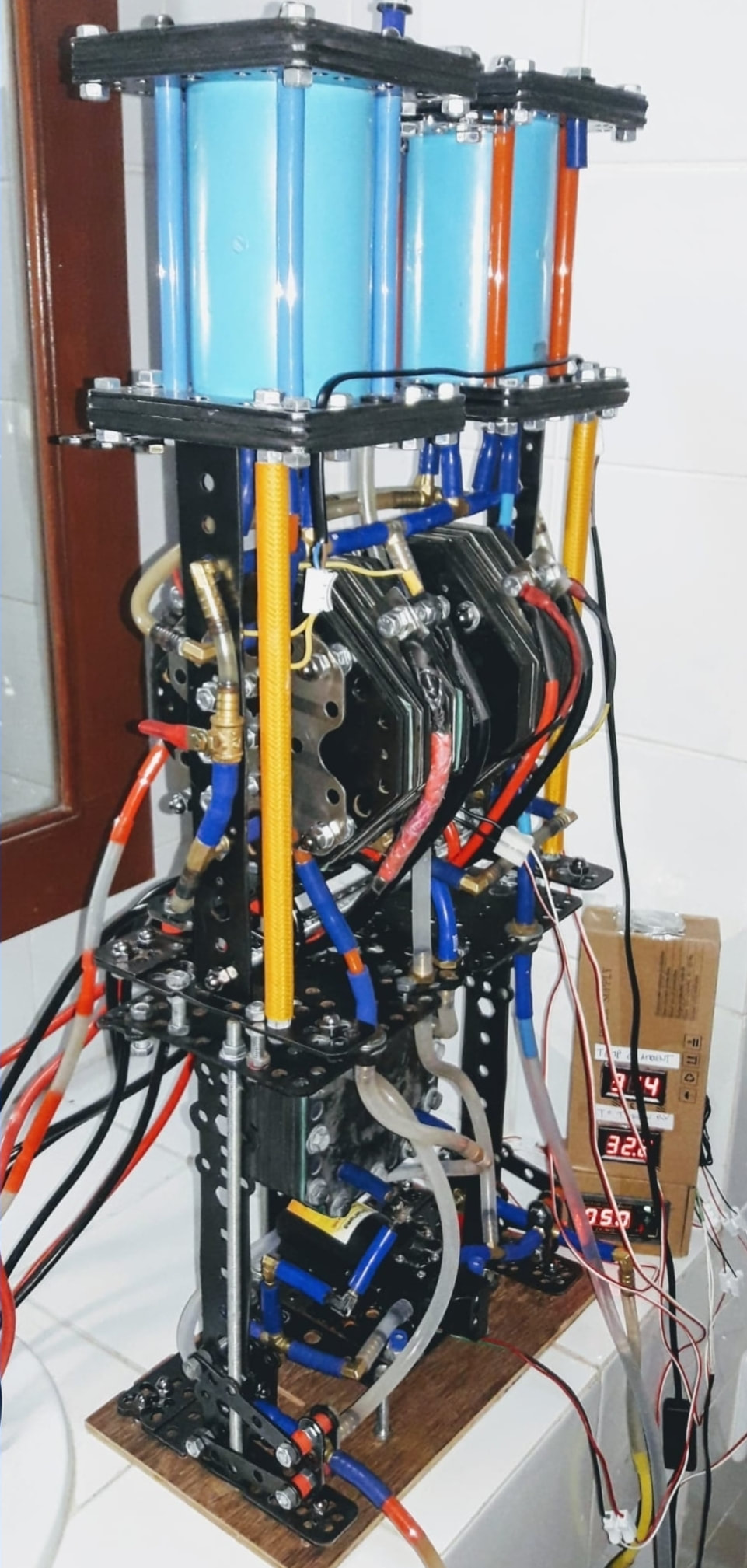
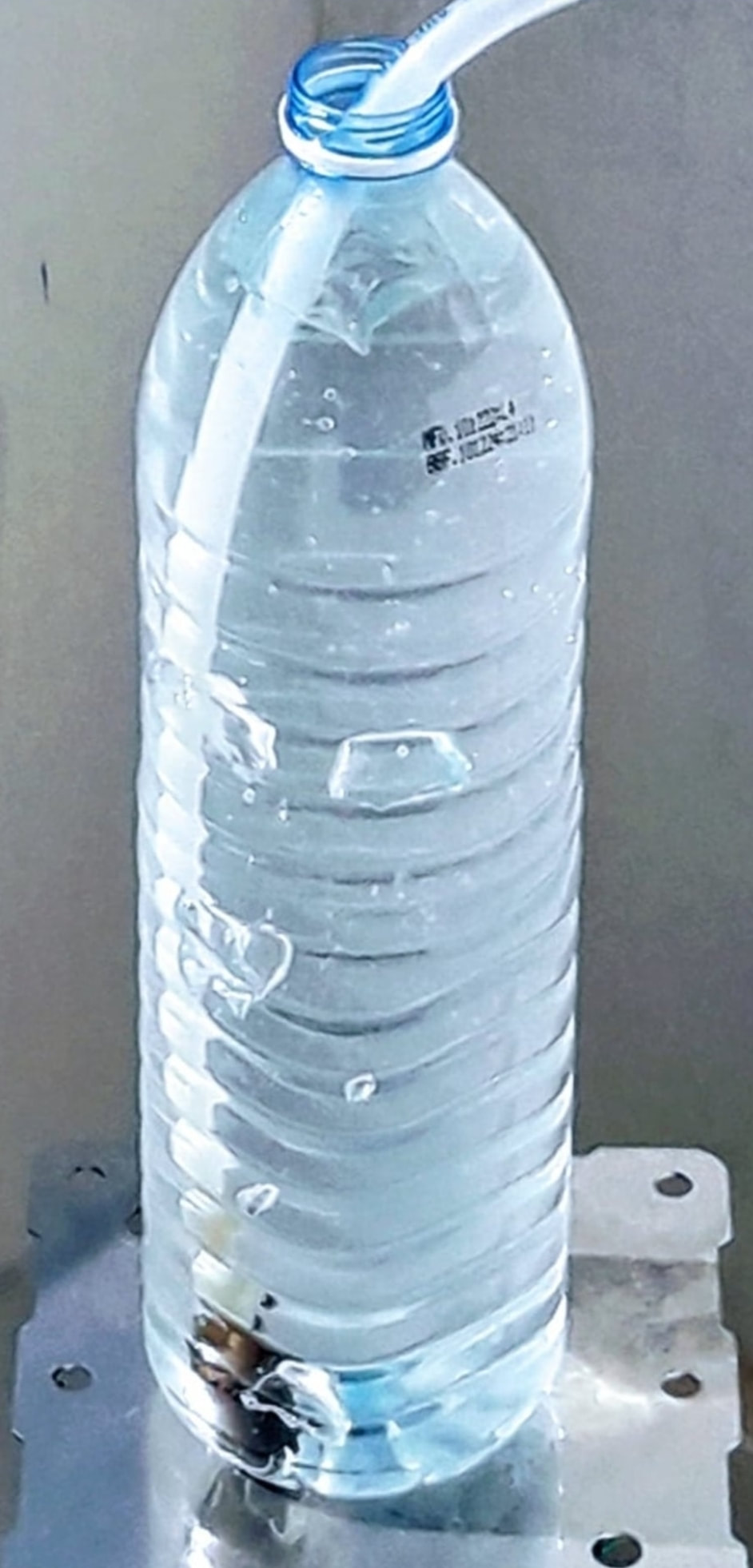
Water contains hydrogen and oxygen. An HHO reactor system — here shown with heat exchanger — splits water on demand. During production, the heat generated can be used for warm-water production or other applications.

Store Hydrogen
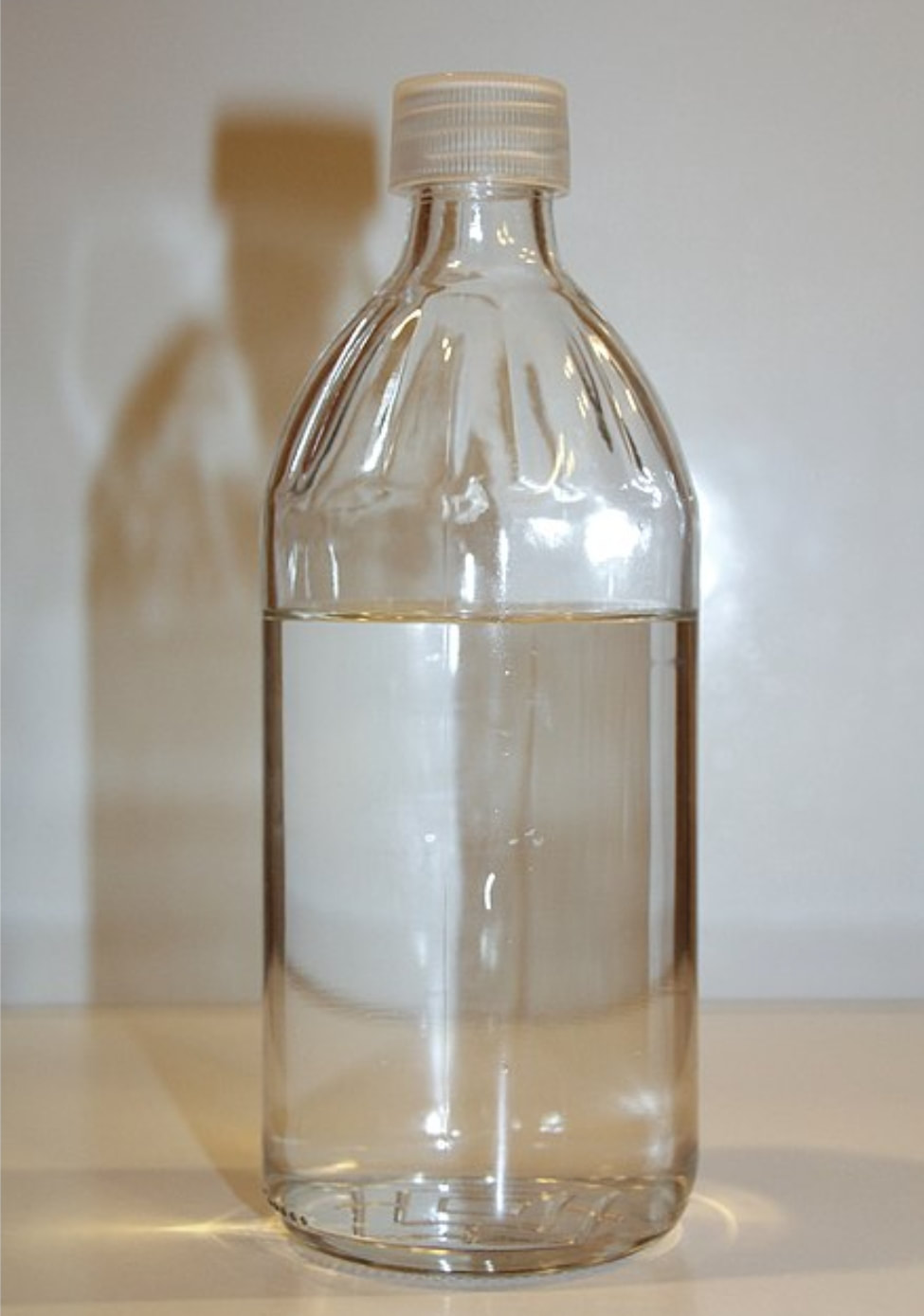
Use CO₂ as a catalyst to combine hydrogen and carbon to produce, for example, ethanol — a high-density, stable, safe and easy-to-store energy medium.


Use Energy
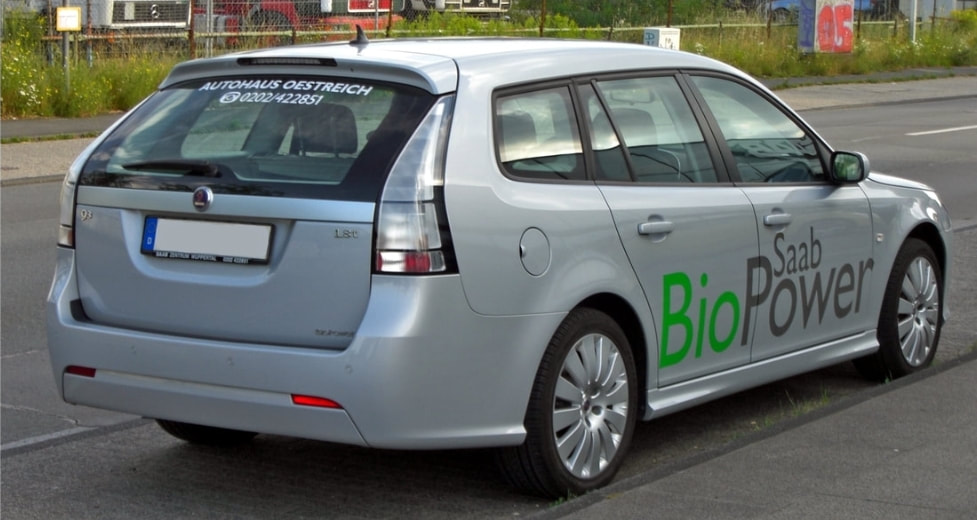
Hydrogen-oxygen flame burns at 3000°C. Ethanol can run in standard gasoline engines via a simple piggyback system that adjusts injector duration to the alcohol blend, or in a flex-fuel engine. CO₂ emissions drop drastically, NOx is nearly eliminated, and the exhaust is mostly water vapour. Ethanol burns at a lower temperature with a high octane rating; if produced from sources like grass, the CO₂ turnaround cycle is very short.

Which ethanol blend is safe for your car?
The number after the “E” is the percentage of ethanol in the fuel. The higher the number, the more ethanol — and not every engine can handle it.
- E5 – Safe for virtually all petrol cars. Standard low blend across most of Europe.
- E10 – Safe for nearly all modern petrol cars. The everyday standard in the USA and much of Europe. Also the maximum for small engines (lawn mowers, chainsaws, motorcycles, boats, snowmobiles).
- E15 – Safe only for cars from model year 2001 and newer (USA). Now available nationwide across the US. Not for older cars or any small engine.
- E30 – Not a regular-car fuel outside Brazil. Brazil mandates E30 at the pump only because its national fleet is flex-fuel. A standard European or US car must not run E30 — it exceeds the E15 limit and can damage the fuel system.
- E85 – Flex-fuel vehicles (FFVs) only. Contains 51–83% ethanol. Never use in a standard petrol car.
- E100 – Pure ethanol (hydrous, ~5.3% water). Brazil only, flex-fuel vehicles.
Rule of thumb ■ Regular car, 2001 or newer (USA): up to E15 ■ Regular car (Europe / pre-2001 USA): up to E10 ■ Small engines & off-road: E10 max ■ Above E15 (E30 / E85 / E100): flex-fuel vehicle required.
Is my car OK with what blend?
Answer a couple of quick questions — no personal data needed.
Guidance only. Always confirm against your owner’s manual / fuel-filler-cap label. NeroPower.com is not liable for fuel-related damage.