Fuel Max Out Project
Max out gasoline to a maximum travel distance under everyday driving conditions. Results must be replicable in real-world scenarios, at any time and location, at low budget.
About. The project goal is achieved at 100% efficiency of consumed gasoline. Benchmarking 700 km as 30% efficiency, consuming 37 litres of gasoline, 100% equals 2300 km travel distance — 1.6 L/100 km.
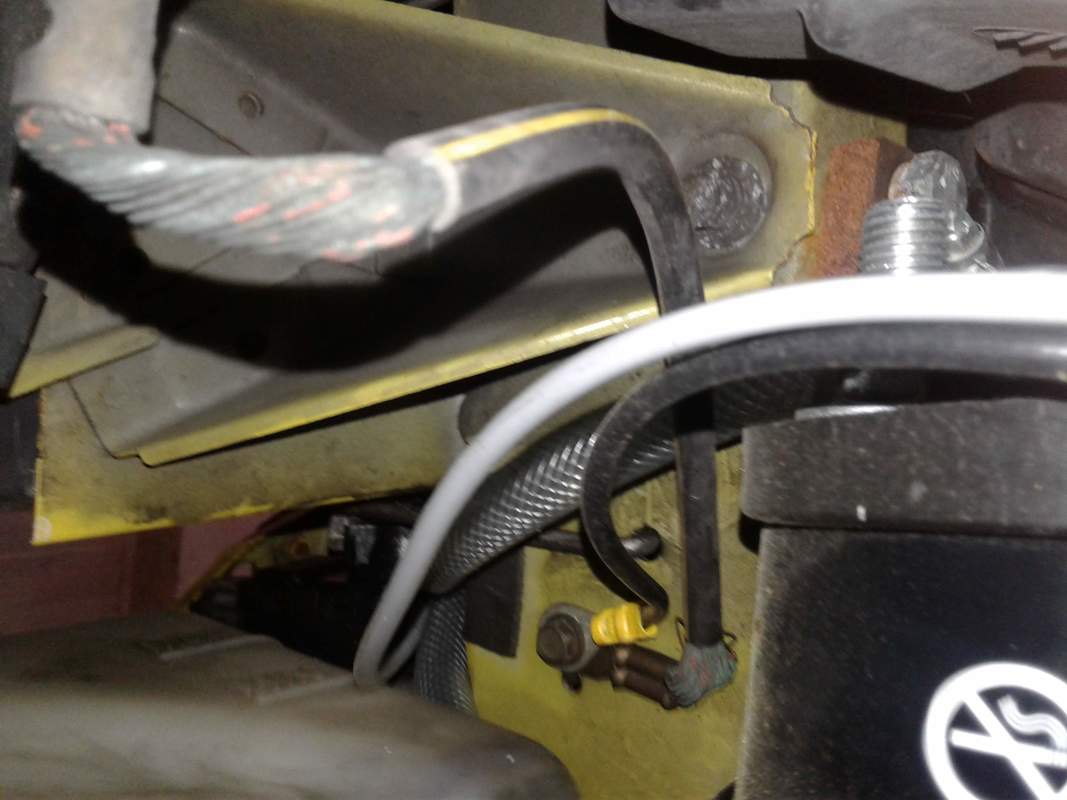
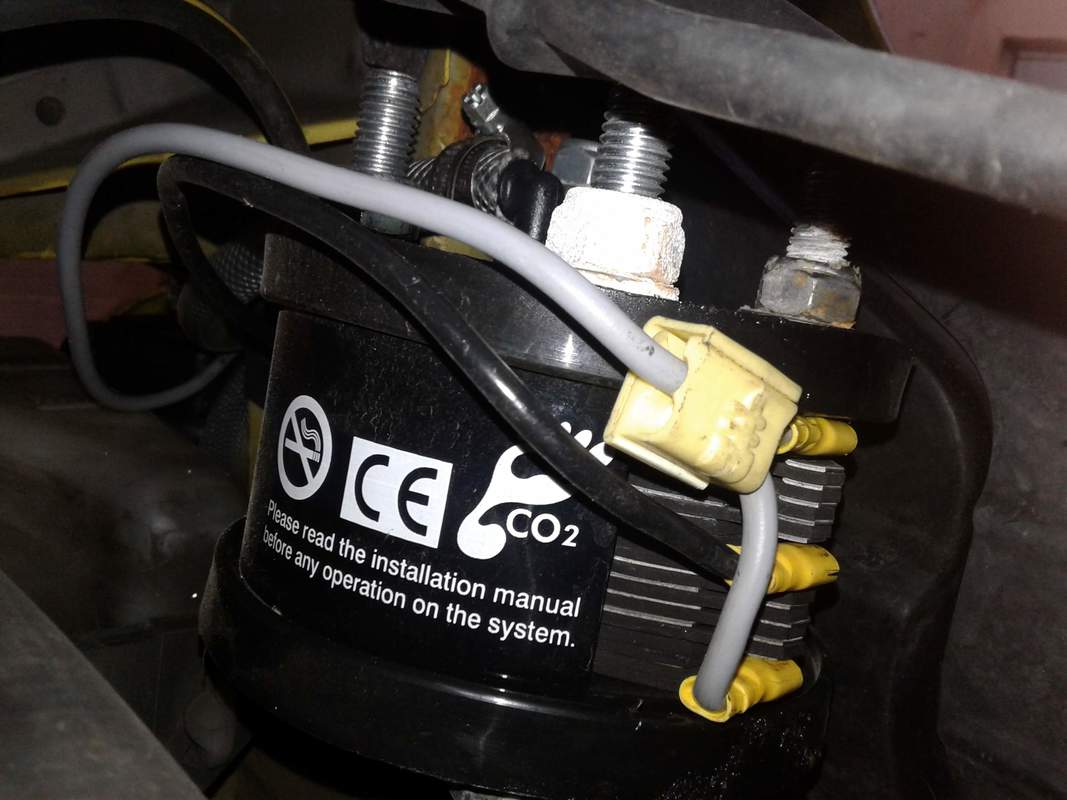
HHO. Add hydrogen and/or oxygen from an onboard reactor, produced on demand, to the fuel-air mixture.
Claim: Onboard electrolysis adds hydrogen/oxygen for leaner, more complete combustion; vendors claim ~10–20% better economy.
My results: Up to 15% (Test 1, 2017), 22% (Test 2, 2018), 20% (Test 3, 2024) vs PREFC.
Science-based: Independent testing (EPA, SAE) finds no reliable net gain: the alternator load to split water costs more engine power than the small HHO volume returns. Energy cannot be created in the loop.
Magnet. Magnet to break the bond between hydrogen + carbon to enhance combustion. South Pole – fuel line – South Pole (repel mode). A small magnet was installed/deinstalled near the injectors. No effect observed — magnets were small, polarity not properly checked, same poles facing each other.
Claim: Magnet on the fuel line claimed to break hydrogen–carbon bonds / align molecules for better combustion.
My results: No effect observed — magnets too small, polarity not properly verified.
Science-based: No accepted mechanism: liquid hydrocarbons are diamagnetic and unaffected by static magnetic fields at these strengths. Considered pseudoscience.
Fuel Pre-Heating. By theory, pre-heating helps obtain better combustion.
Claim: Pre-heating fuel improves vaporization and combustion.
My results: Not tested by NeroPower.com
Science-based: Minor real effect: warmer fuel vaporizes more readily, but modern injection already atomizes well; gains are very small and can raise NOx.
On Board Sensor Tuning Computer (OBSTC). Tune existing sensors to compensate for adverse effects from fuel-economy systems.
Claim: Tune existing sensor signals so the ECU does not cancel out the economy mods.
My results: Not tested by NeroPower.com
Science-based: Legitimate in principle: altering sensor feedback shifts fuelling, but tricking closed-loop control can break emissions compliance and damage the engine if it runs too lean.
Spark Plug. Install spark plugs that enhance ignition of the gasoline.
Claim: Performance plugs claimed to enhance ignition and economy.
My results: No measurable economy change on the test car.
Science-based: Correct plugs prevent misfire, but a healthy engine gains little; "economy" plugs show no consistent benefit in controlled tests.
Acetone. Change the molecular structure of gasoline by adding 30–90 ml (1–3 US oz) of acetone to 37 L (10 US gal) of gasoline.
Claim: Small acetone dose claimed to change fuel structure / surface tension for better mileage.
My results: Tested — no effect.
Science-based: No proven benefit; controlled tests show none, and acetone can attack fuel-system seals, plastics and paint.
Tire. Narrower + harder tyres improve mileage. Higher pressure = harder tyre. +5 PSI.
Claim: Narrower, harder, higher-pressure tyres reduce rolling resistance.
My results: Small but consistent improvement; contributes to the 4.4 L/100 km record.
Science-based: Real and measured: rolling resistance is a genuine load; correct/slightly higher pressure typically gives ~1–3%. Over-inflation reduces grip and wear life.
Limit Max Speed. 90 km/h (50 mph) vs 105 km/h (65 mph) — by theory increases economy.
Claim: Driving 90 vs 105 km/h increases economy.
My results: Largest single lever — main contributor to best-economy runs.
Science-based: Strongly supported: aerodynamic drag rises with the square of speed, so cutting cruise speed is one of the most effective real economy measures.
Aerodynamics. Remove side mirrors + antenna.
Claim: Removing mirrors / antenna reduces drag.
My results: Not tested by NeroPower.com
Science-based: Directionally correct but tiny: such items are a very small fraction of total drag; removing mirrors is also illegal for road use in most places.
Air Intake. Maximum air into the engine; aluminium cold-air intake; get warmer air to aid vaporization of the gasoline.
Claim: Cold/optimised air intake claimed to raise efficiency and economy.
My results: Not tested by NeroPower.com
Science-based: Small effect: intake changes mainly affect peak power, not steady-cruise economy; cold air aids density, warm air aids vaporization — the two partly cancel.
O2 Distancer. Not recommended. Taking the sensor out of the exhaust stream returns less voltage, the ECU opens injectors longer — higher fuel flow.
Claim: Spacing the O2 sensor out of the exhaust stream claimed to alter readings favourably.
My results: Not recommended; observed higher fuel flow.
Science-based: Counter-productive: a lazy/false lean signal makes the ECU richen the mixture — fuel use rises. Also an emissions-control tamper.
Results
Record Economy
4.4 L/100 km (95 grade) with all working applications.
Factory Mix
6.30 L/100 km stated for the test car, no applications.
Personal Record (PREFC)
5.40 L/100 km, no payload, no AC/blower.
Electrical
12–13.5 V · 5–7.2 A hot max final draw · NaOH 99% electrolyte.
Final Conclusion to Current Date
► Test 3 — 2024 · HalfWay System
CHF 250–450 (shipping not incl.). Fuel economy improvement up to 20% vs PREFC. Special: dual pipe from air intake to system, feeds just before throttle valve.
► Test 2 — 2018 · 3rd Gen Reactor System
CHF 1200 (incl. shipping). Improvement up to 22% vs PREFC. Special: dual pipe from air intake; manifold nozzle feeds before engine block.
► Test 1 — 2017 · Commercial System
CHF 200 (incl. tax + shipping). Improvement up to 15% vs PREFC. Special: none.